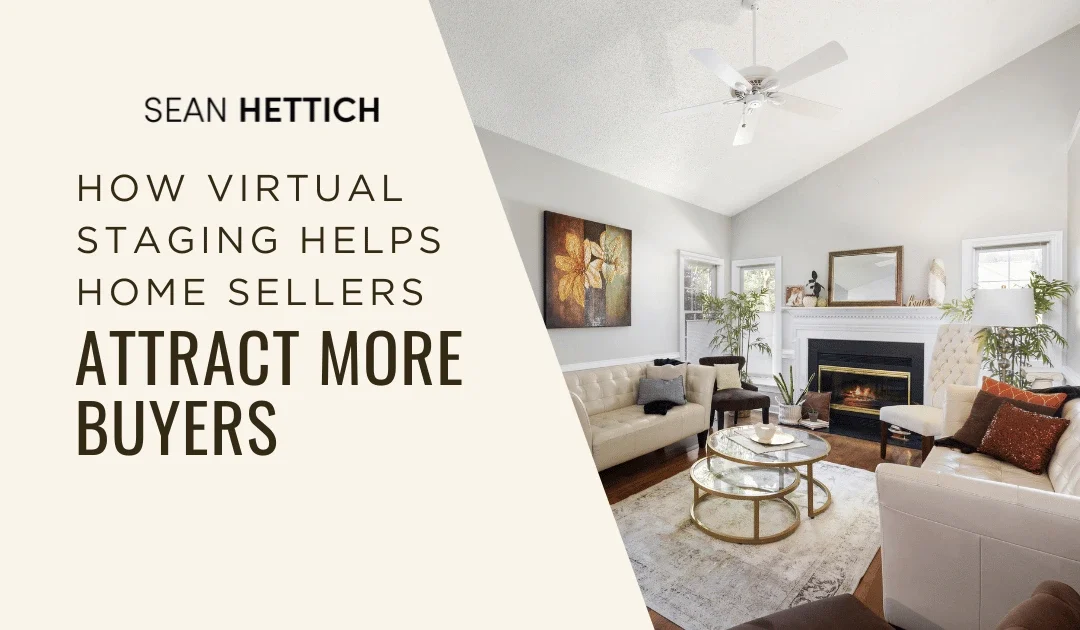
Selling a home today is more competitive than ever. Buyers have endless listings to scroll through, and they often decide within seconds which homes are worth a closer look. Many of them choose which properties interest them long before they ever schedule a showing. They scroll, click, save, or move on. Because of that, the first impression your listing makes online carries significant weight.
With so much of the decision happening on a screen, presentation becomes essential. Photos are no longer just a formality. They shape how buyers feel about a space and how easily they can picture living there.
Virtual staging offers a practical way to strengthen that first impression. It helps buyers visualize how a room can look and function when furnished. That ability to see potential within a space often shapes how seriously they consider a home during their search.
Understand What Virtual Staging is
Virtual staging involves digitally adding furniture, décor, and design elements to photos of an empty or sparsely furnished home. Using specialized software, a professional places realistic furnishings into the image to show how a space could look once it is fully styled and arranged.
It helps to distinguish this from traditional physical staging. With physical staging, a staging company brings in actual furniture and décor to set up inside the home. While this approach has its advantages, it also involves scheduling, storage, coordinating deliveries, and covering rental costs that can add up quickly.
Virtual staging approaches the goal differently. Instead of moving furniture into the property, the transformation happens within the photos themselves. Buyers see a furnished, well-designed space online, while the home remains unchanged in person.
The Cost Advantage of Virtual Staging Compared to Traditional Staging
Physical staging can range from a few hundred dollars for a consultation to several thousand dollars for a full-home setup throughout a listing period. As furniture rentals, delivery fees, and monthly staging costs continue, the total can rise quickly.
Virtual staging is typically far more affordable. There is no furniture to rent, no moving crew to schedule, and no ongoing coordination for property access. Sellers can present professionally styled spaces in their marketing photos without taking on the added overhead that comes with furnishing the home itself.
Helping Your Listing Capture Attention Online
Today, nearly 90% of buyers begin their home search online before contacting an agent or scheduling a showing. They browse platforms like Zillow, Realtor.com, and social media, often reviewing dozens of listings in one sitting. In that environment, photos need to capture attention quickly.
Staged listing photos tend to generate more clicks, saves, and inquiries than unstaged images. On visual platforms such as Instagram and Facebook, strong photos are more likely to be shared and circulated. Buyers pass along listings they find appealing, and agents share them with clients. As engagement builds, visibility expands organically.
Position Your Home to Attract the Right Buyers
Staged homes sell approximately 75% faster than homes that are not staged. When buyers can picture themselves living in a space, they tend to make decisions more quickly and with greater assurance.
Virtual staging also offers flexibility in how a home is presented. A room that could function as a home office can be staged accordingly, drawing in buyers who work remotely and need a dedicated workspace.
A bedroom can be styled to reflect the preferences of the typical buyer demographic in the area. These choices can be made with intention, focusing not only on aesthetics but also on lifestyle and functionality.
Final Thoughts
Virtual staging is a practical and cost-effective part of a modern home-selling strategy, and it continues to prove its value in today’s competitive market. It strengthens how your listing performs online, captures more attention from buyers as they browse, and helps them form a connection with your property before they ever walk through the door. Because so many first impressions now happen on a screen, the visual presentation of your listing deserves careful attention.
If you are preparing to sell your home in Lafayette, Broussard, Youngsville, or anywhere in Acadiana, virtual staging is one of the tools I include in my overall marketing strategy. Combined with professional photography, social media marketing, mass marketing websites, agent networking, and MLS exposure, it is part of how I position listings to generate strong results. If you are ready to talk through what selling your home could look like, reach out and let’s get started.